
How Can Chapter 7 Bankruptcy Help Eliminate Unsecured Debts?
May 18, 2026
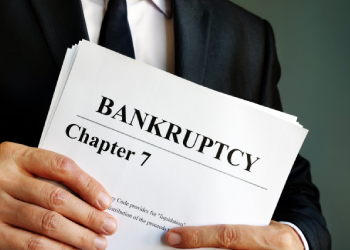 Debt can impact nearly every part of your life. When bills continue piling up, collection calls don’t stop, and minimum payments barely reduce balances, it’s easy to feel stuck. Many people dealing with credit card debt, medical bills, and personal loans worry about how they’ll regain financial stability or protect what matters most to them.
At Swindell & Associates, PC, we know that financial hardship can happen to anyone. Job loss, medical emergencies, divorce, and rising living expenses often leave families struggling to keep up. We help families in Amarillo, Texas, and the surrounding areas of Borger, Pampa, Hereford, and Dumas, and throughout the Texas Panhandle, explore Chapter 7 bankruptcy, find a path toward relief from unsecured debts, and a chance to rebuild financially. Reach out to our bankruptcy attorneys today to discuss your situation.
What Chapter 7 Bankruptcy Does for Unsecured Debts
Chapter 7 bankruptcy is often called “liquidation bankruptcy,” but many people who file don’t lose any of their property. Instead, the process focuses on wiping out qualifying unsecured debts so you can get a fresh financial start.
Unsecured debts are debts that aren’t tied to collateral. Unlike a car loan or mortgage, unsecured creditors can’t automatically take property when payments are missed. Common examples include:
Credit card balances
Medical bills
Personal loans
Utility balances
Certain old lease obligations
Payday loans
When you file Chapter 7 bankruptcy, an automatic stay immediately goes into effect. This court order stops collection efforts, including phone calls, wage garnishments, lawsuits, and creditor harassment. Many people feel relief simply because the constant pressure from creditors finally pauses.
After completing the bankruptcy process, unsecured debts are discharged. A discharge means you’re no longer legally required to pay those debts. Bankruptcy attorneys often explain that this process can significantly reduce financial pressure in a relatively short period of time.
Not every debt qualifies for discharge. Some obligations, such as most student loans, recent tax debts, child support, and alimony, generally remain. That’s why speaking with an attorney about your financial situation is important before filing.
Signs Chapter 7 Bankruptcy May Be Right for You
Financial struggles can affect people differently. Some people are dealing with sudden medical expenses, while others have accumulated debt gradually. You may want to consider Chapter 7 if:
You rely on credit cards for necessities: If groceries, utilities, or rent are regularly being paid with credit cards, your debt can continue growing faster than you can manage.
Collection calls are constant: Frequent creditor contact, threats of lawsuits, or wage garnishment notices often signal serious financial distress.
Medical bills have become unmanageable: Unexpected medical expenses are one of the most common reasons people seek bankruptcy relief.
You can’t realistically repay unsecured debts: Even after cutting expenses, some people simply don’t have enough income to catch up.
You’re facing lawsuits from creditors: A bankruptcy filing can stop pending legal actions tied to unsecured debts.
These situations don’t automatically mean you should file bankruptcy, but they can indicate it’s time to speak with bankruptcy attorneys about your options. In some cases, Chapter 13 bankruptcy is more appropriate for people trying to protect property or catch up on secured debts.
What Happens to Property in a Chapter 7 Bankruptcy
One of the biggest fears people have about bankruptcy is losing everything they own. Fortunately, Texas offers strong bankruptcy exemptions that protect many types of property.
Exemptions are laws that allow certain assets to remain protected during bankruptcy. Bankruptcy attorneys frequently help clients identify which exemptions apply to their situations. Protected property includes:
Your homestead: Texas has broad homestead protections that help shield your primary residence. This protection is often a major concern for homeowners considering bankruptcy.
Vehicles: In many cases, one vehicle per licensed household member can qualify for protection. Reliable transportation is important for maintaining employment and handling daily responsibilities.
Retirement accounts: Qualified Retirement accounts are generally protected under bankruptcy laws. These protections help preserve funds intended for your future financial security.
Personal belongings: Clothing, household goods, and other everyday items are often exempt within legal limits. Many people are relieved to learn they can usually keep essential household possessions.
Tools used for work: Some work-related equipment and tools are also protected. This can help people continue earning income after their bankruptcy case is completed.
Although Chapter 7 is sometimes called liquidation bankruptcy, most filers keep most or all of their property through available exemptions. Bankruptcy attorneys review assets carefully before filing so clients understand what protections apply.
People are often surprised to learn that bankruptcy laws exist in part to help individuals recover financially rather than punish them. The process is designed to give honest debtors an opportunity to regain stability after financial hardship.
Our Bankruptcy Attorneys Can Help You Find Financial Relief
Chapter 7 bankruptcy can help discharge qualifying unsecured debts, stop collection activity, and provide relief when financial pressure has become difficult to handle. For many individuals and families, it offers an opportunity to break free from constant calls from creditors, mounting bills, and the stress of falling behind, while creating a path toward rebuilding financial stability with fewer ongoing obligations.
At Swindell & Associates, PC, we work with clients seeking practical debt relief solutions. Our experienced bankruptcy attorneys serve clients in Amarillo, Texas, and the surrounding areas of Borger, Pampa, Hereford, and Dumas, as well as throughout the Texas Panhandle. Call us today if unsecured debts are disrupting your life, and we can evaluate whether Chapter 7 bankruptcy is right for you.